th
th English
 русский
 Deutsch
 日本語
日本語 Español
 简体中文
简体中文ตัวลดดาวเคราะห์อย่างแม่นยำในการขับขี่ประตู
Cat:ตัวลดดาวเคราะห์ซีรีส์ MK
กลุ่มผลิตภัณฑ์อุตสาหกรรม ใช้ได้กับ: ระบบขับเคลื่อนประตู (ดาวเคราะห์, เพลาโคแอกเซียล) MKB Precision Planetary Referer เป็นอุปกรณ์กลไกล้ำสมัยที...
ดูรายละเอียด
In servo-driven automation, engineers are routinely forced to answer a deceptively difficult question: should you optimize your gearbox reducer for transmission efficiency, or for positional accuracy? The honest answer is that both matter — and in most high-demand applications, sacrificing one for the other leads to measurable system degradation. Understanding how these two performance dimensions interact is the foundation of intelligent reducer selection.
A servo system is only as capable as its weakest mechanical link. The servo motor provides precise, high-speed rotational energy, but without a reducer to transform that energy into controlled, high-torque output, the motor's potential goes unrealized. The reducer serves as the critical interface — and its performance on two fronts determines whether the overall system meets specification.
Transmission efficiency governs how much of the motor's input power is delivered as usable output. Lost power becomes heat, which accelerates wear, increases cooling requirements, and raises operating costs. In continuous-duty applications or battery-powered platforms, inefficiency directly shortens runtime and inflates energy consumption.
Positioning accuracy, on the other hand, determines whether the load reaches its intended target — and stays there. In CNC machining, robotic assembly, semiconductor handling, and laser cutting, even micron-level deviations accumulate into defects. Accuracy is not just a specification; it is a product quality metric.
The challenge is that the mechanical design choices that push efficiency upward don't always align with those that minimize positional error. Recognizing where these paths diverge — and where they converge — is the first step toward a well-specified reducer system.
Not all gear reducer types deliver the same efficiency, and the differences are significant enough to affect both motor sizing and thermal management. The comparison below illustrates this clearly:
| Gearbox Type | Typical Efficiency (per stage) | Notes |
|---|---|---|
| Planetary (helical) | 97–99% | Industry benchmark for servo use |
| Planetary (spur) | 95–97% | Cost-effective, slightly noisier |
| Helical inline | 95–98% | Quiet, smooth; parallel shaft layout |
| Worm gear | 50–80% | High reduction ratio but high heat loss |
| Harmonic drive | 80–90% | Zero backlash, but lower efficiency |
Planetary gearboxes dominate servo applications for good reason. Because load is distributed across multiple planet gears simultaneously, friction losses at any single mesh point are reduced. Planetary reducer gearboxes typically achieve efficiencies of 95% to 98% per stage, and even multi-stage configurations routinely outperform worm gear alternatives.
The practical impact of poor efficiency is easy to quantify. A worm gearbox running at 70% efficiency on a 1 kW servo motor wastes approximately 300 W continuously as heat. A comparable planetary unit operating at 97% efficiency wastes only 20–30 W. Over thousands of operating hours, the difference in energy cost, thermal stress, and component lifespan is substantial.
It is also worth noting that each additional reduction stage introduces a compounding efficiency penalty. A single-stage planetary unit at 98% efficiency becomes approximately 93–95% efficient across three stages. This is still far superior to worm alternatives, but it must factor into motor sizing calculations — particularly when the application involves high-cycle duty or demanding acceleration profiles.
Positional accuracy in a servo reducer is determined by three mechanical characteristics working in combination. Each must be evaluated independently, and each degrades in its own way under load and over time.
Backlash is the rotational free play between the input and output shaft when direction is reversed. It is typically measured in arc-minutes, and its effect is directly proportional to output shaft diameter — meaning that even small angular errors translate into tangible linear displacement at the end effector. Standard precision planetary gearboxes achieve backlash ratings of 3–5 arcmin, while high-precision servo-grade units are engineered to ≤1 arcmin. In CNC machining and robotic joints, even 1–2 arcminutes of positional error can translate into measurable inaccuracies at the working surface.
Torsional stiffness, measured in Nm/arcmin, defines how much the output shaft twists under applied torque before backlash is taken up. A reducer with low stiffness will deflect under dynamic loads, causing positioning lag and oscillation — particularly during rapid direction reversals common in servo cycles. High stiffness is non-negotiable in applications with frequent starts, stops, and changes in direction.
Lost motion is the broader metric that encompasses backlash plus contributions from bearing play, gear tooth compliance, and shaft deflection. It represents the total looseness at the output shaft when the input is held fixed. While backlash can sometimes be compensated via servo controller software — by commanding the motor slightly beyond the target and returning — lost motion cannot be fully corrected this way, since its contributions vary under changing loads.
The efficiency–accuracy tension becomes most visible in three specific design decisions: gear stage count, preload strategy, and gear geometry selection.
Stage count and ratio selection illustrate the tradeoff directly. Higher gear ratios achieved through additional reduction stages improve torque multiplication and inertia matching, but each stage introduces additional gear meshes — each a potential source of backlash accumulation and efficiency loss. A single-stage planetary unit offers both the highest efficiency and the simplest backlash control; a three-stage unit achieves higher ratios at the cost of 3–5% efficiency reduction and increased backlash if tolerances are not tightly controlled. For applications requiring very high ratios (above 100:1), combining planetary gear reducers in a modular multi-stage configuration allows engineers to optimize each stage independently, balancing efficiency and precision rather than relying on a single oversized reducer.
Gear geometry also plays a role. Helical planetary gears mesh more gradually than straight-cut spur gears, producing smoother torque transfer, lower noise, and marginally higher efficiency. However, the helical angle introduces axial thrust loads that must be accommodated in the bearing design. Spur planetary gears are simpler and cost-effective, but their abrupt tooth engagement can introduce micro-vibrations that affect positioning stability in high-resolution applications.
Preload and anti-backlash design represent perhaps the sharpest tradeoff. Introducing mechanical preload — intentionally loading the gear mesh to eliminate free play — effectively reduces backlash to near zero. But preload increases internal friction, which directly reduces transmission efficiency and accelerates gear and bearing wear under sustained operation. Engineers must therefore calibrate preload to the minimum necessary for the accuracy requirement, rather than maximizing it by default.
Inertia matching is often discussed as a torque-sizing concern, but it has direct consequences for both efficiency and accuracy — making it a critical and frequently underappreciated variable in reducer selection.
A servo motor performs most efficiently when the reflected load inertia — the inertia of the driven mechanism as seen from the motor shaft — closely matches the motor's own rotor inertia. A gearbox reducer scales reflected inertia by the inverse square of the gear ratio. This means a 10:1 reducer reduces a 100:1 inertia mismatch to a 1:1 ratio, allowing the motor to accelerate and decelerate the load with maximum responsiveness and minimal energy waste.
When inertia is poorly matched, the motor must work harder to control a load it is mechanically mismatched to drive. This increases current draw, generates heat, and reduces positioning stability — particularly during dynamic servo cycles where precise deceleration is required. An oversized motor compensating for poor inertia matching consumes significantly more energy than a correctly matched motor-reducer pair, negating any efficiency advantage from the gearbox itself.
Accurate inertia matching also improves servo loop tuning response. A well-matched system allows tighter PID gains without instability, which translates directly into faster settling times and better positional repeatability — improving accuracy as well as dynamic efficiency.
Given the interdependencies between efficiency, accuracy, inertia, and gear design, reducer selection should follow a structured sequence rather than being driven by a single specification. The following framework reflects how experienced motion system engineers approach this decision:
Understanding the gearbox reducer for servo motor selection process holistically — rather than optimizing for a single parameter — is what separates systems that meet specification from those that merely appear to on paper.
In practice, the best reducer for a servo application is not the most efficient one, nor the most accurate one in isolation. It is the one whose efficiency, accuracy, stiffness, and inertia characteristics are precisely calibrated to the demands of the application — leaving no margin wasted and no requirement unmet.
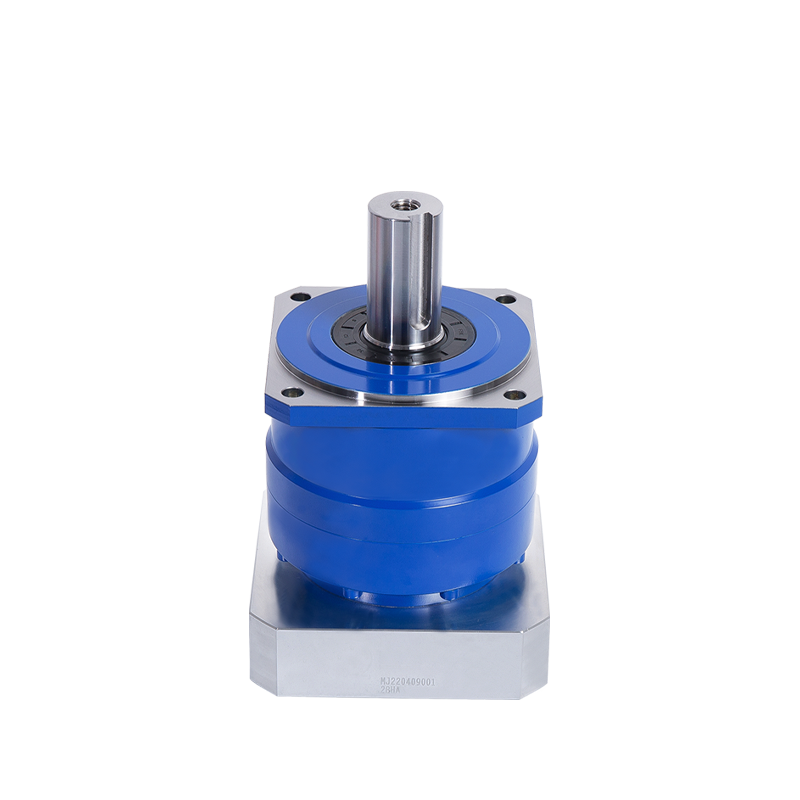
กลุ่มผลิตภัณฑ์อุตสาหกรรม ใช้ได้กับ: ระบบขับเคลื่อนประตู (ดาวเคราะห์, เพลาโคแอกเซียล) MKB Precision Planetary Referer เป็นอุปกรณ์กลไกล้ำสมัยที...
ดูรายละเอียด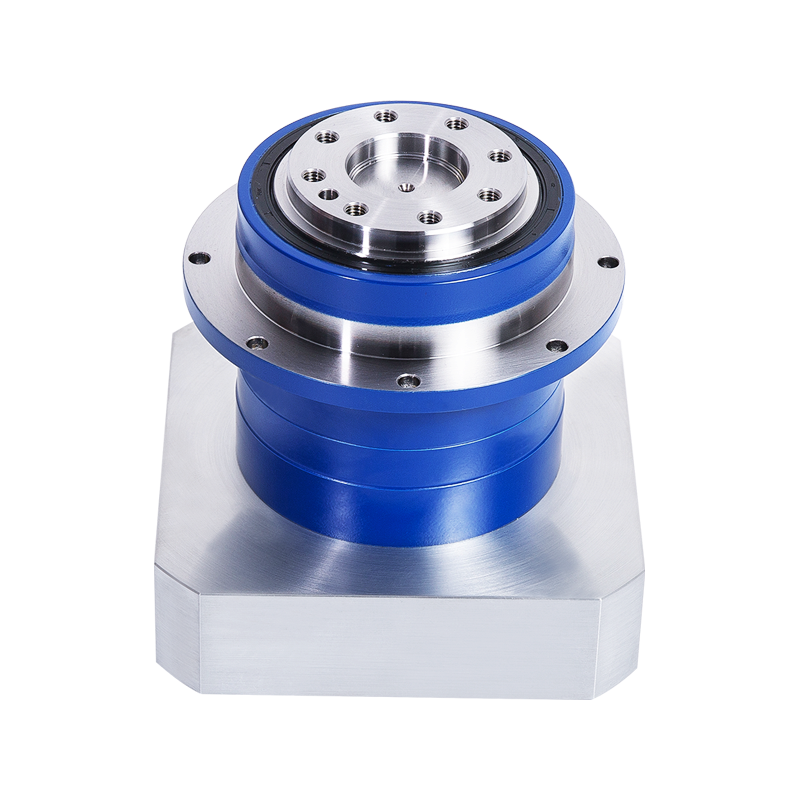
ตอบสนองความต้องการของลูกค้าด้วยข้อกำหนดความแม่นยำสูงสำหรับอุปกรณ์เซมิคอนดักเตอร์ อุปกรณ์อัตโนมัติ เครื่องมือกล ฯลฯ ใช้ได้กับ: ระบบขับเคลื่อนประต...
ดูรายละเอียด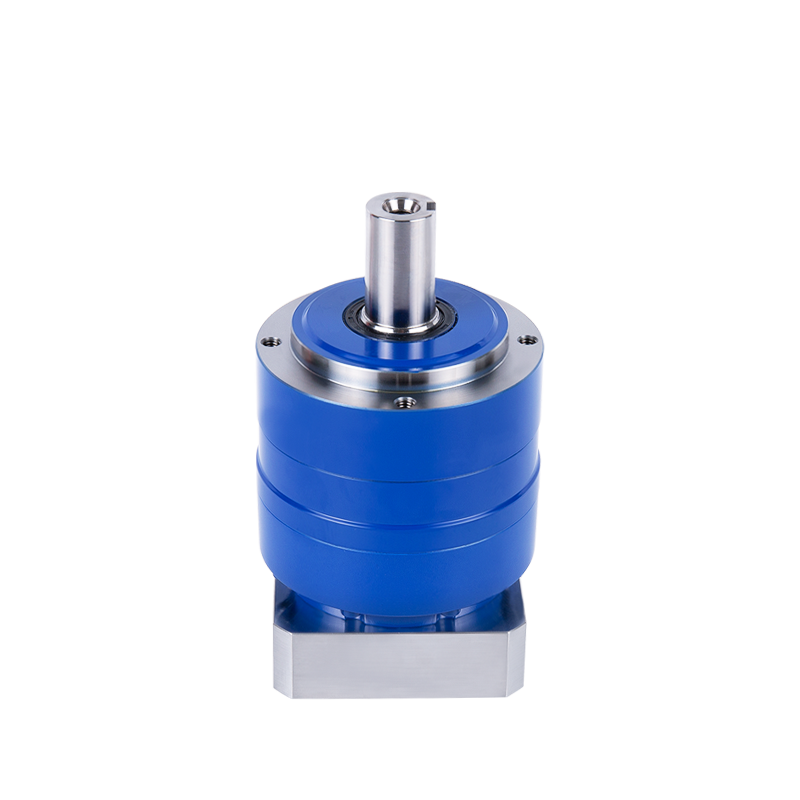
อุตสาหกรรม--กลุ่มผลิตภัณฑ์ ใช้ได้กับ: ระบบขับเคลื่อนประตู (ดาวเคราะห์, เพลาโคแอกเซียล) MKL Precision Planetary ลดขนาดอยู่ในความสามารถในการเลื...
ดูรายละเอียด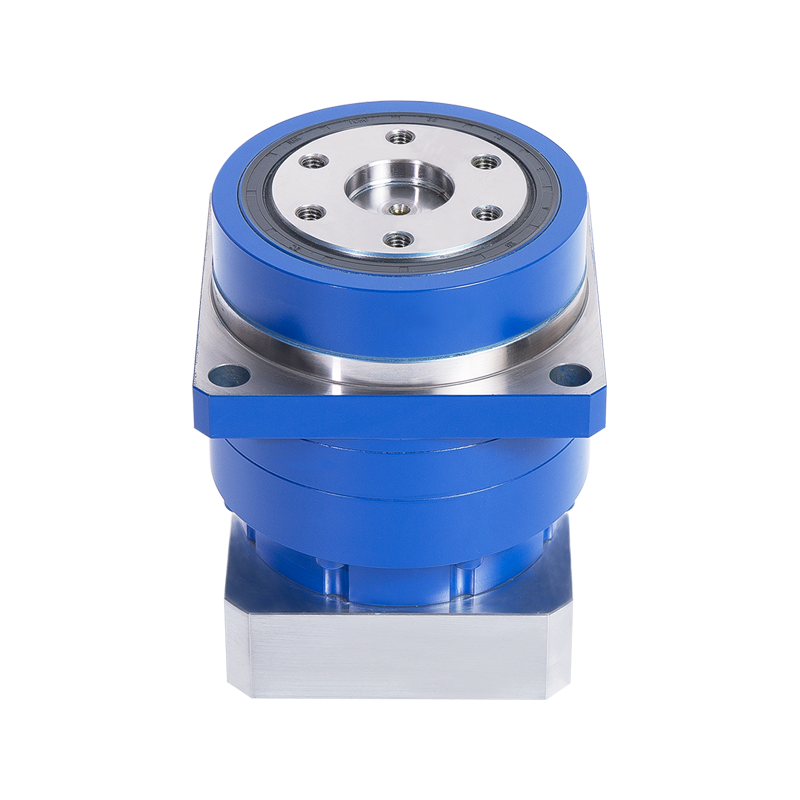
ตอบสนองความต้องการของลูกค้าด้วยข้อกำหนดที่มีความแม่นยำสูงสำหรับอุปกรณ์เซมิคอนดักเตอร์ เครื่องมือกล ฯลฯ ตัวลด MKG ตอบสนองความต้องการที่หลากหลายขอ...
ดูรายละเอียด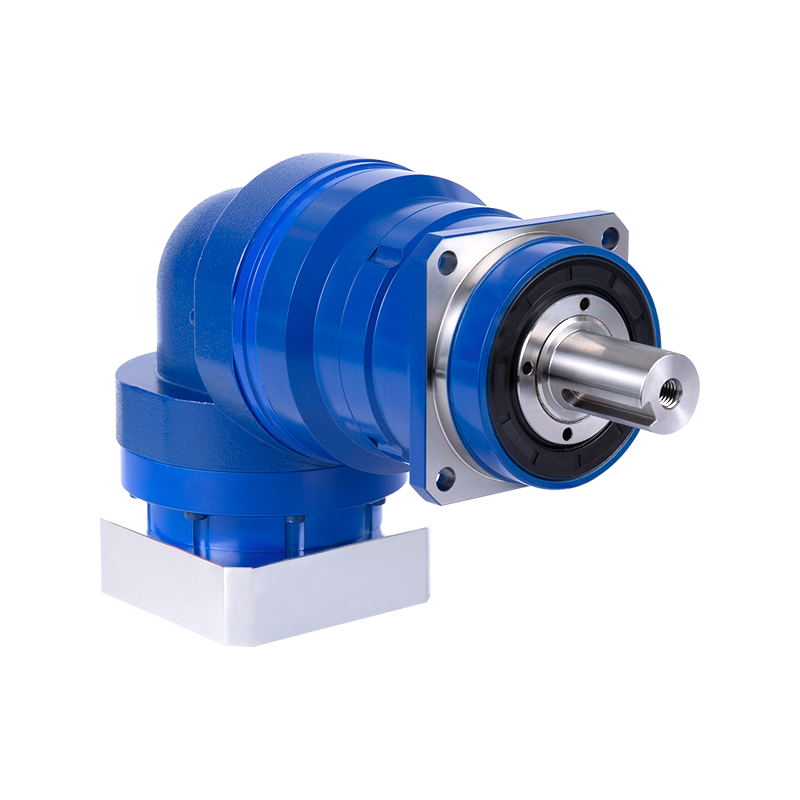
เหมาะสำหรับลูกค้าที่มีความต้องการมากมาย เช่น อุปกรณ์การผลิตเซมิคอนดักเตอร์ และเครื่องมือกล ใช้ได้กับ: แบริ่งลูกกลิ้งเรียวสำหรับการขับเคลื่อนประต...
ดูรายละเอียด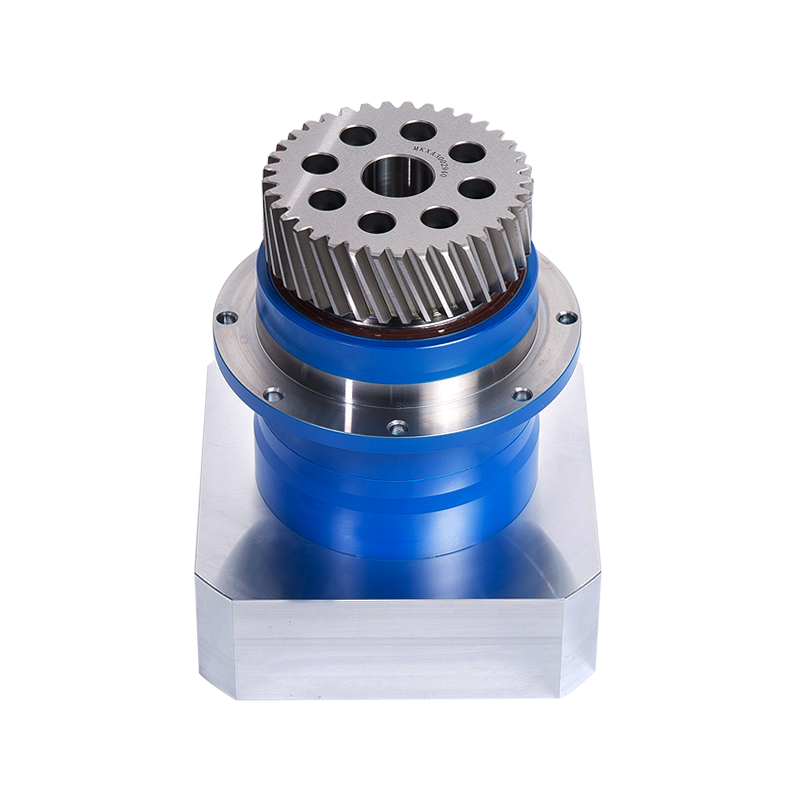
อุปกรณ์ตัดด้วยเลเซอร์มักทำงานในพื้นที่จำกัด โดยต้องใช้ระบบควบคุมการเคลื่อนไหวที่สามารถผสานรวมได้อย่างราบรื่นโดยไม่ลดทอนประสิทธิภาพ การออกแบบที่กะทั...
ดูรายละเอียด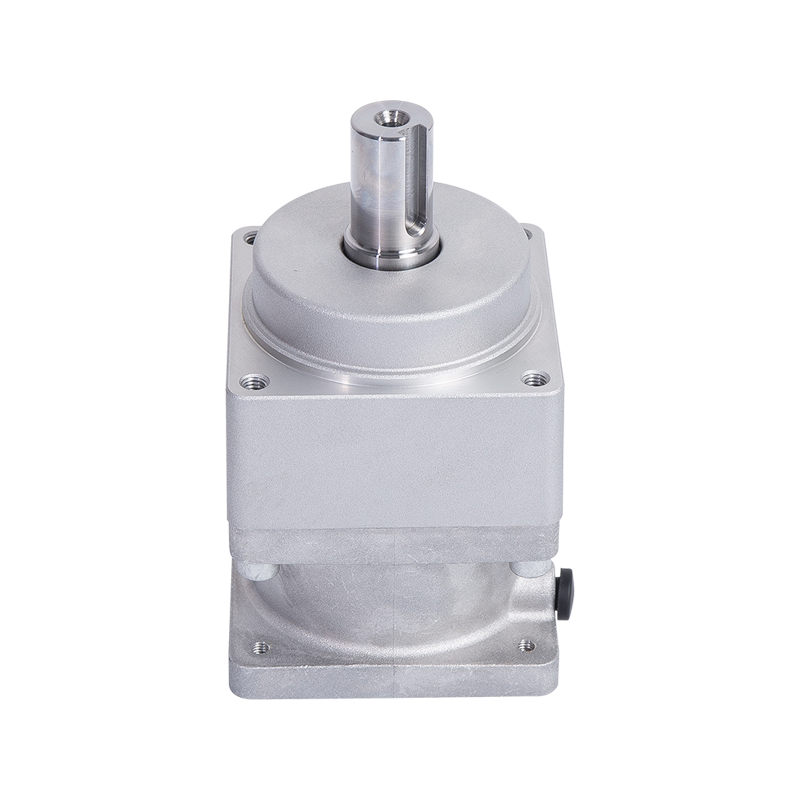
เครื่องลดดาวประหยัดแรงบิดสูงทนทานแรงบิดสูง MKGC-5C-400 นี้ได้รับการออกแบบมาเพื่อการส่งกำลังที่เสถียรและคุ้มค่าในการใช้งานในอุตสาหกรรมทั่วไปและงานหน...
ดูรายละเอียด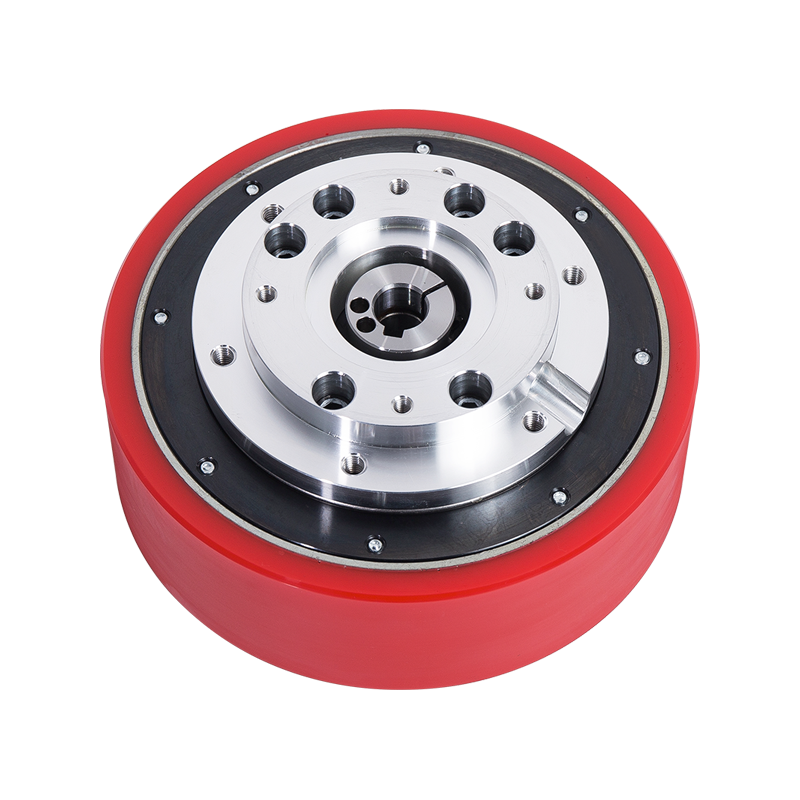
หัวใจสำคัญของวงแหวนเกียร์เอาท์พุต RCIV AGV ตัวลดดาวเคราะห์แบบพิเศษคือการออกแบบที่ซับซ้อนซึ่งมีการกำหนดค่าเอาท์พุตวงแหวนเฟืองที่โดดเด่น การกำหนดค่าเ...
ดูรายละเอียด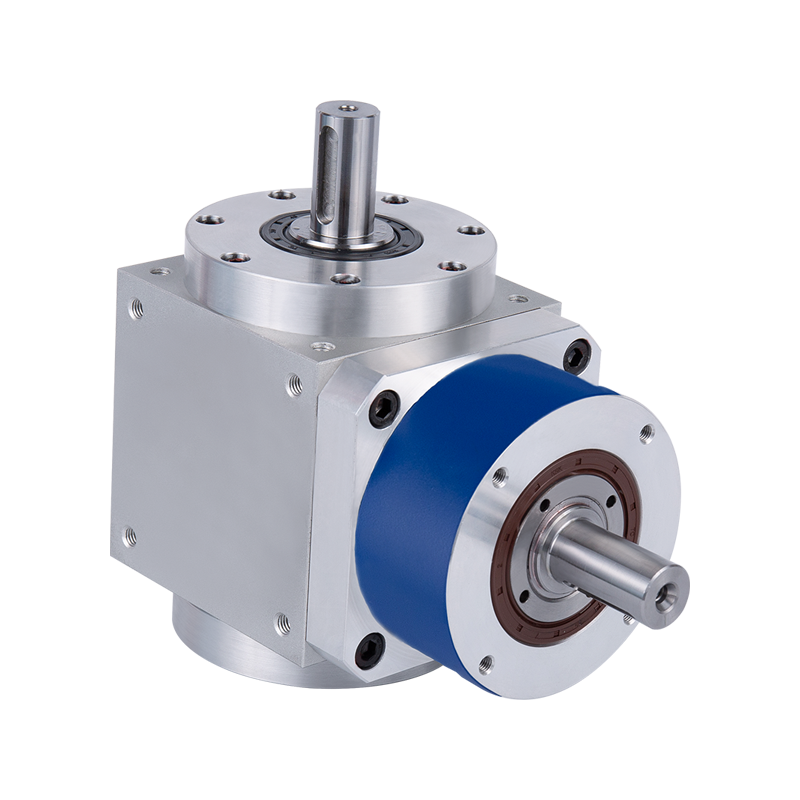
ตัวลดดาวเคราะห์ชนิดเพลาเอาต์พุตประสิทธิภาพสูง ด้วยความเร็วพิกัดสูงและการใช้งานไดนามิกสูง ใช้การออกแบบที่มีน้ำหนักเบาและระบบส่งกำลังประสิทธิภาพสูงเพ...
ดูรายละเอียด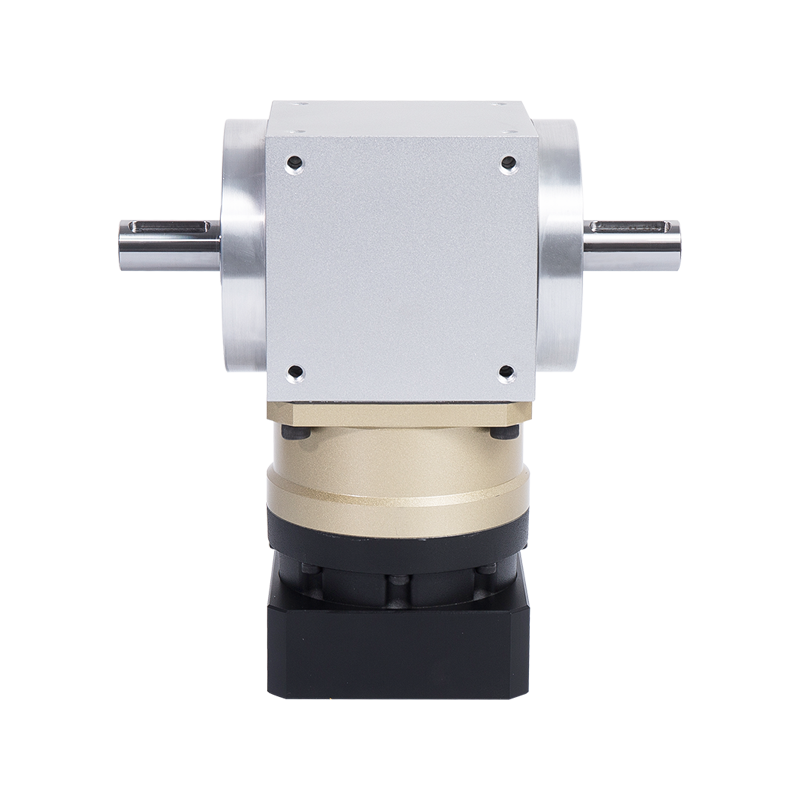
ตัวลดดาวเคราะห์ชนิดเพลาส่งออกคู่แบบเฟืองตัวหนอนใช้การผสมผสานระหว่างการส่งผ่านเกียร์หนอนและการส่งผ่านเกียร์ของดาวเคราะห์เพื่อปรับปรุงประสิทธิภาพการส...
ดูรายละเอียด